Module 04 · Preparing Designs and Jobs for Desktop 3D Printing & Printing Services桌面 3D 打印与打印服务:设计及作业准备
Graded Assignment: Module 4 Peer Review Assignment评分作业:模块 4 同伴互评
In this assignment, think about a standard household table fork. In this assignment you need to develop an improved design and proper orientation for 3D printing a fork with a desktop FFF 3D printer. You will need to consider the current functions of a fork, where it needs to be strong, and the printing and slicing process. Note: Printed items are NOT food safe, this is only used as an exercise to better understand 3D printing.
在这个任务中,思考一下标准的家用餐叉。在这个任务中,你需要开发一个改进的设计和合适的方向,以便使用桌面 FFF 3D 打印机打印餐叉。你需要考虑餐叉的当前功能,它需要坚固,以及打印和切片过程。注意:打印的物品不安全用于食物,这只是一个练习,以更好地理解 3D 打印。
You may use CAD software if you choose or simply sketch with paper and pencil your idea clearly. Your sketch/model will be accompanied by a short writeup that will explain the orientation of the build and the pros and cons to the approach you took.
您可以选择使用 CAD 软件,或者简单地用纸笔清晰地勾勒出您的想法。您的草图/模型将附有一份简短的说明,解释构建的方向以及您所采取方法的优缺点。
Keep responses between 100-150 words. When reviewing your peers work consider the following questions:
保持回复在 100-150 字之间。在审阅同行的作品时,考虑以下问题:
- Does the write up properly rationalize the design and orientation decisions?
该文档是否合理地解释了设计和方向决策? - Is this design 3D printable in its current setup? (Do not compare their ideas to your own as a benchmark)
这是当前设置下这个设计可以 3D 打印吗?(不要将他们的想法与你的作为基准进行比较) - Did they appropriately discuss the negative implications of their design and orientation choices?
他们是否适当讨论了其设计和方向选择带来的负面影响?
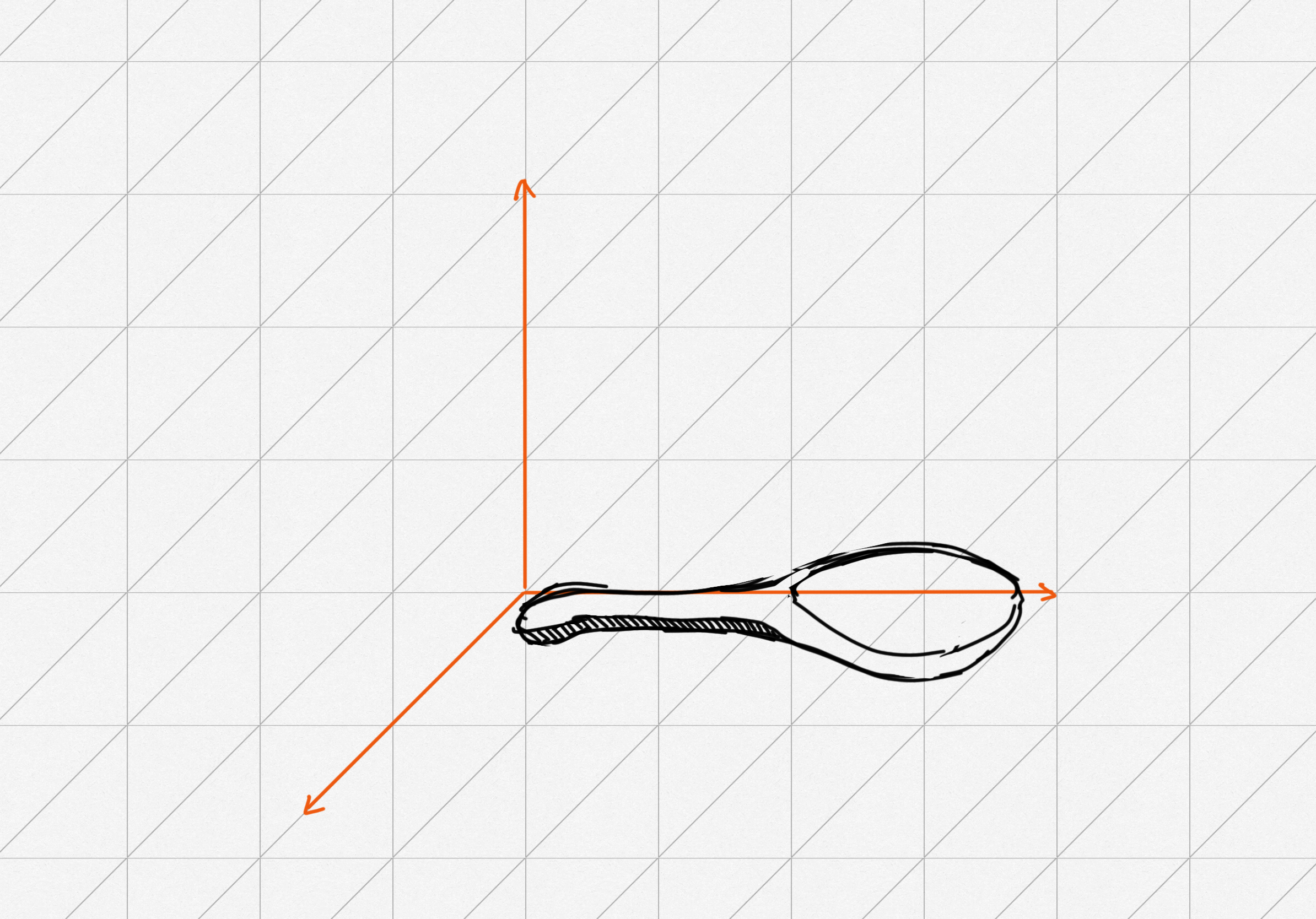
Orientation: Print the fork flat on the build plate (tines facing upward, handle adhered to the bed) to minimize overhangs and avoid supports (Fig. 1). Thicken the tine bases and incorporate an internal grid infill (20% density) in the handle to balance strength and material usage.
Pros:
- Optimized Layer Adhesion: Layer lines align with the tines’ length (Z-axis), reducing fracture risk under lateral stress.
- No Supports Needed: Tine angles <45° meet FFF’s self-supporting limit, eliminating post-processing.
- Handle Stability: Flat bed contact ensures a smooth grip surface.
Cons:
- Surface Quality: Tine tips may show visible layer lines, requiring post-print sanding.
- Print Time: Grid infill increases slicing complexity, extending duration.
Printability: The design adheres to FFF constraints. Use PLA (nozzle: 200°C) with adequate cooling to prevent tine warping.
Enhancements:
- Tapered Tines: Gradual thickness from base to tip improves stress distribution.