Week 01 · Image-based Research基于图像的研究
Practice Peer-graded Assignment: Look Really Closely at an Artwork同伴互评练习:仔细观察一件艺术品
Looking at other people’s work is one of the best ways to improve your own practice as an imagemaker. In this optional assignment I would like you to take some time to study an artwork and make some specific notes about it, using the critique strategies outlined earlier in the course.
观察他人的作品是提高自己作为图像制作者实践能力的一种最佳方式。在这个可选作业中,我希望你花些时间研究一件艺术品,并对其做一些具体的笔记,使用课程中之前概述的批评策略。
If you live near a museum or gallery, grab a notebook and make a plan to go and wander around. If visiting a museum or gallery isn’t a realistic option for you, take a look at online digital collections of some of the larger institutions. You aren’t limited to only museums near your home—you can search online collections and resources around the world!
如果您住在博物馆或画廊附近,拿一本笔记本制定一个计划去那里漫步。如果您参观博物馆或画廊不是一个现实的选择,可以查看一些大型机构的在线数字收藏。您不仅限于只能在家附近的博物馆——您还可以搜索全球的在线收藏和资源!
Locate a work you find interesting—maybe you like it or don’t like it; maybe you think it’s awkward, or sublime. Don’t look for what’s “beautiful,” or “good” or “bad;” be as specific as possible about why you selected a particular work, and why you found it intriguing or curious. No matter what you choose, it should be something that catches your attention—for any reason at all (and we want to know what the reason is!)
找到一篇你觉得有趣的作品——可能你喜欢它,也可能不喜欢;可能你觉得它尴尬,或者崇高。不要寻找“美丽”、“好”或“坏”的东西;尽可能具体地说明你选择这篇作品的原因,以及为什么你觉得它引人入胜或好奇。无论你选择什么,它都应该能吸引你的注意力——无论是什么原因(我们想知道原因!)
First, write down some preliminary information about the work. What is it? Is it a painting, a drawing, a sculpture, a photograph, or something else? Include details such as who made it, when and where it was made, and what materials were used.
首先,写下关于这项工作的初步信息。它是什么?是一幅画、一幅素描、一座雕塑、一张照片,还是其他什么?包括谁制作的、制作的时间和地点以及使用的材料等细节。
Second, focus on what you see and write down some additional notes. What are the main colors and shapes of the work? Does the work have a subject or theme? Is the work representational (realistic) or abstract? What is the mood of the work? Is the work expressive and brushy or hard-edged and clean?
其次,关注你所看到的,并记下一些额外的笔记。这幅作品的主要颜色和形状是什么?这幅作品是否有主题或主题?这幅作品是具象的(现实的)还是抽象的?这幅作品的情绪是什么?这幅作品是表达性和笔触丰富的,还是边缘清晰和整洁的?
Then, discuss the associations and connotations that the work brought up for you. What else do you see in the image? What connections can you make between what the artist has depicted and other works, images, environments, your own experience? What drew (or repelled) you to this particular work? Why do you think it’s in a museum or gallery?
然后,讨论这件作品给你带来的联想和含义。你在图像中看到了什么?你能在这位艺术家的描绘与其他作品、图像、环境、你的个人经历之间建立什么联系?是什么吸引了(或排斥)你这件特定的作品?你认为为什么它会在博物馆或画廊中展出?
Make a sketch or drawing of the composition (note: most galleries and museums permit pencils only, so be aware of the specific rules of wherever you go.) Or, if you are permitted to do so, take a photo. It isn’t essential you take a photo. The gallery guards will know if photography is permitted; often it isn’t and the photo is more for your own reference, so if you can’t take one, no worries.
制作作品的草图或绘画(注意:大多数画廊和博物馆只允许使用铅笔,所以请注意你所在地点的具体规则。)或者,如果你被允许这样做,可以拍照。拍照并不是必须的。画廊保安会知道是否允许拍照;通常不允许,照片更多的是为了你自己的参考,所以如果你不能拍照,不用担心。
Organize your notes/thoughts, and upload them to the platform.
整理您的笔记/想法,并将它们上传到平台。
Grading Criteria Overview 评分标准概述
Three of your peers will review your submission based on the following criteria:
三位同行将根据以下标准审查您的提交:
- Did the student upload an image of their chosen artwork?
学生是否上传了他们选择的美术作品的图片? - Did the student write three paragraphs about their chosen artwork?
学生是否写了三段关于他们选择的艺术作品的文字? - Comment on your peer’s observations of what they see in the artwork. Are there any additional visual or formal qualities that you would also like to highlight?
评论你对同伴在艺术品中看到的观察。是否有任何额外的视觉或形式品质你也想强调? - Comment on your peer’s observations about the associations and connotations they perceive in the work. What associations and connotations did the work bring up for you? Think about ways you can add to their conversation about the work.
对同伴关于作品中感知到的关联和内涵的观察进行评论。作品给你带来了哪些关联和内涵?思考一下你可以如何丰富他们对作品的讨论。
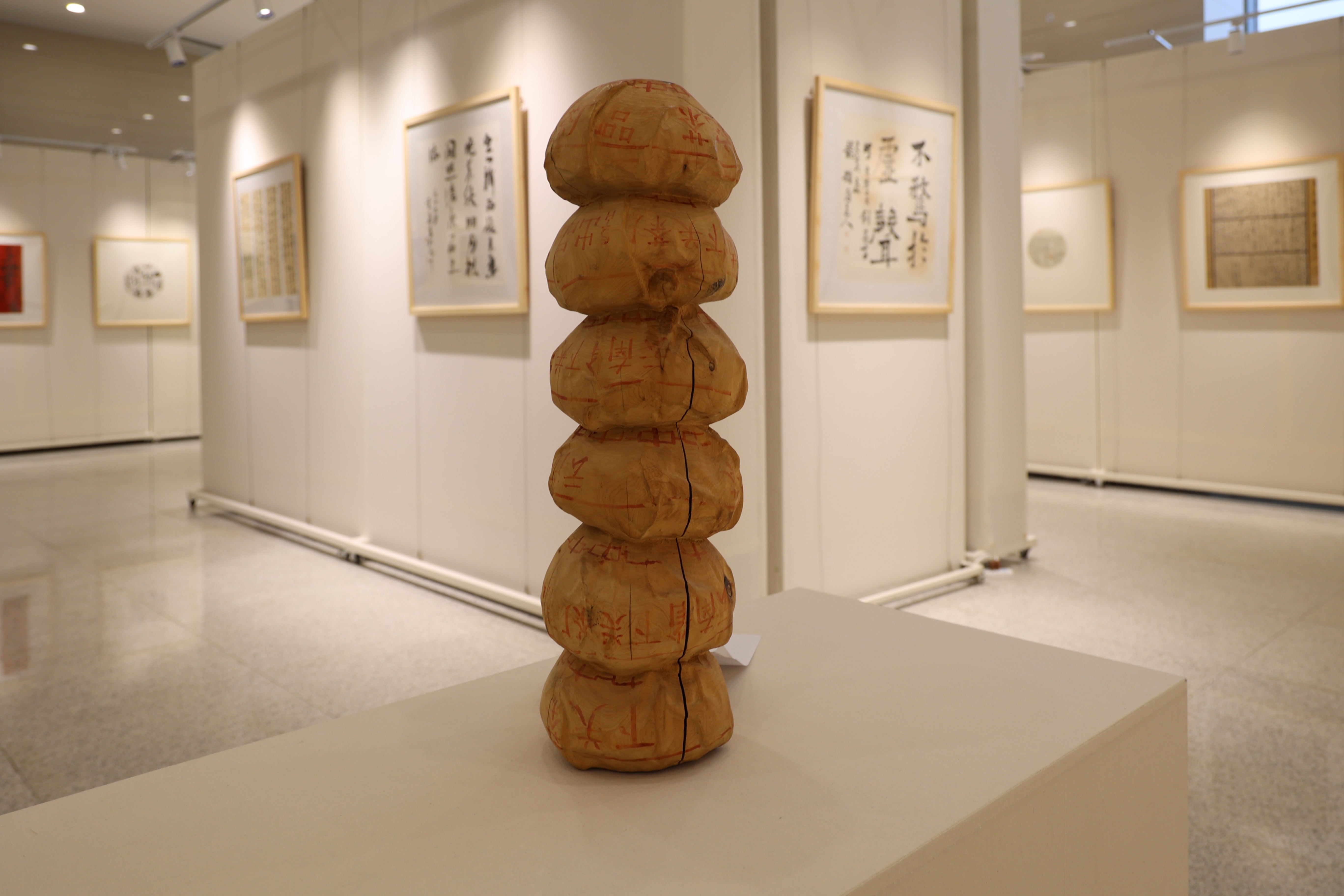
六个茶坨
由中国云南的艺术家(朱岷)制作,展出在云南省博物馆。这件作品的名字就叫“六个茶坨”,茶坨是普洱茶的包包,喝普洱茶的时候就需要一点点把它凿开。
它的造型一下子吸引了我,通过将六个茶坨进行倒扣叠放,展示出了非常特别的趣味。将茶叶这一本来散装的物质,变成了有构型的物块。有一种平衡与灵活感。
它让我对物体的形态的组成与美学的刻画有了新的理解
请帮我根据下面的要求润色我的描述,并翻译为英文
The artwork titled “Six Tea Cakes” (六个茶坨) was created by the Chinese artist Zhu Min from Yunnan Province. It was displayed at the Yunnan Provincial Museum. The piece features six stacked tea cakes, a traditional form of compressed Pu-erh tea (普洱茶). These cakes are used in the process of brewing Pu-erh tea, where the tea is slowly broken off bit by bit. The work highlights a transformation of a traditionally loose material, tea leaves, into solid, sculptural blocks.
艺术品《六个茶坨》由云南省的中国艺术家朱敏创作。该作品在云南省博物馆展出。该作品展示了六个叠放的茶坨,这是一种传统的普洱茶压缩形式。这些茶坨用于普洱茶的冲泡过程,茶会逐渐一点一点地破碎。这件作品突出了将传统散装材料茶叶转化为固体雕塑块的变化。
Visually, the stacked tea cakes draw immediate attention due to their unusual arrangement. By flipping and stacking the cakes, the artist creates a playful and fascinating composition. The texture of the tea cakes, with its rough and natural form, contrasts with the smoothness of the surrounding space. This juxtaposition conveys a sense of balance and fluidity, suggesting both stability and flexibility. The simple yet impactful lines and shapes evoke an organic and tactile quality that invites close inspection.
从视觉上看,堆叠的茶饼因其不寻常的排列方式而立即吸引人们的注意。通过翻转和堆叠饼块,艺术家创造了一个充满趣味和迷人的构图。茶饼的质地,其粗糙而自然的形式,与周围空间的平滑度形成对比。这种并置传达出一种平衡感和流畅感,暗示着稳定性和灵活性。简单而有力的线条和形状唤起了有机和触觉的品质,邀请人们仔细观察。
The piece brings up associations with the transformation of natural, everyday objects into art, as well as the traditional and cultural significance of tea in Chinese society. The stacked tea cakes also seem to allude to the passage of time, as they are both objects that are used and consumed. The form evokes thoughts of balance and impermanence, further emphasized by the way the cakes are stacked—appearing both precarious and harmonious at once.
这篇作品引发了对自然、日常物体转变为艺术的联想,以及茶在中国社会中的传统和文化意义。堆叠的茶砖似乎也暗示着时间的流逝,因为它们既是使用也是消耗的物体。这种形式唤起了对平衡和无常的思考,而茶砖的堆叠方式——既显得不稳定又和谐——进一步强调了这一点。