Week 01 · Image-based Research基于图像的研究
Peer-graded Assignment: Making Your Mood Board同伴互评作业:制作你的情绪板
For this first assignment I am asking you to select, prepare and present visual research on a subject, including things that you associate with your subject, to begin to define and spark ideas about your imagemaking.
对于这个第一个作业,我要求你选择、准备并展示关于一个主题的视觉研究,包括你与该主题相关联的事物,以开始定义并激发你的图像制作想法。
The format that graphic designers use often is a mood board. Not only is collecting and assembling a mood board good practice, but you will rely on this visual material to complete the other required assignments in this class.
图形设计师经常使用的格式是情绪板。不仅收集和组装情绪板是良好的实践,而且你将依赖这些视觉材料来完成本课程中其他所需的作业。
A mood board usually includes visual materials like photos and illustrations of your subject from different angles, as well as material that is connected to your subject or suggests tangential relationships or environments, and also style and attitude.
情绪板通常包括从不同角度拍摄的主题照片和插图,以及与主题相关或暗示相关关系或环境的材料,还有风格和态度。
Some examples of material you may collect are:
一些你可能收集到的材料示例包括:
- Photographs 照片
- Drawings 绘图
- Images that evoke ambience or qualities that you might associate with your subject (see the "Tips for Completion" section below for suggestions on how to approach this.)
图片能够唤起与您主题相关的氛围或特质(有关如何处理此问题,请参阅下方的“完成提示”部分以获取建议。) - A miniature model might be a great reference, if possible and feasible. It’s not practical to attach a physical model onto a mood board, but consider ways you might represent the model on your board, like a photo or drawing of it.
一个微型模型可能是一个很好的参考,如果可能且可行的话。将实物模型附加到情绪板上并不实用,但考虑一下你如何在你的板上表示该模型,比如它的照片或草图。 - Text, such as associative words, quotes or sayings
文本,例如关联词、引语或格言 - A selected color palette 选定的颜色调色板
- Related patterns and textures
相关图案和纹理 - Illustration styles 插图样式
- Selected materials, and so forth.
所选材料,等等。
The suggestions from the reading titled “Visual Research” may also help you, but ultimately there’s no set way to do this. Starting online is recommended (just download your images to a folder) but you can also snap photos from print materials, such as books and magazines, or from the world around you. Gather as much material as you can—30 images minimum is a good starting point. You might not use everything in your mood board, but all of this material is good reference and may lead you to something you hadn’t thought of. Spend no more than one hour on this.
阅读《视觉研究》的建议也可能对你有所帮助,但最终并没有固定的方法来做这件事。建议从线上开始(只需将你的图片下载到一个文件夹中)但你也可以从印刷材料,如书籍和杂志,或你周围的世界中拍照。尽可能多地收集材料——至少 30 张图片是一个不错的起点。你可能不会在情绪板上使用所有这些材料,但所有这些材料都是良好的参考资料,可能会引导你想到一些你没有想到的事情。在这上面不要花费超过一小时。
Please select 10 images from your stash and assemble them into a mood board. I recommend using desktop software to do this, such as Adobe Photoshop or InDesign. You could also print, cut out, and arrange your images on a single sheet of paper, but this is a bit more time consuming.
请从您的收藏中选出 10 张图片,将它们组合成一个情绪板。我建议使用桌面软件来完成这项工作,例如 Adobe Photoshop 或 InDesign。您也可以将图片打印出来,剪裁并排列在一张纸上,但这会花费更多时间。
Export (or scan) your mood board as a single page PDF (minimum dimensions: 8.5 x 11 inches, maximum dimensions: 11 x 17 inches; maximum file size: 10 MB) and upload it. Use the name of your subject as your project title.
导出(或扫描)您的灵感板为单页 PDF 文件(最小尺寸:8.5 x 11 英寸,最大尺寸:11 x 17 英寸;最大文件大小:10 MB)并上传。使用您的主题名称作为项目标题。
Additionally, write a short paragraph describing your process for collecting images and then refining your images into your final selection. Some questions to consider:
此外,请写一段简短的段落描述您收集图像的过程,以及如何将图像精炼成最终选择。以下是一些需要考虑的问题:
- What strategies did you use?
您使用了哪些策略? - What sources did you consult?
您参考了哪些资料? - How did you collect your materials (online/snapshots/print research/etc)?
您是如何收集您的资料的(在线/快照/印刷研究等)?
Tips for Completion 完成技巧
Ambient or associative imagery can be very subjective, so do some thinking on what other images come to mind with your subject. For example, you might start with something like owls connote wisdom, but in addition, owls are attentive parents, majestic, endangered by habitat loss, and are raptors with big eyeballs, a curved beak and razor-sharp talons. So then, you might search for images that conjure up a feeling of—or demonstrate—majesty, family bonds and nests, being squeezed out of habitat, precision vision, silent flight, and feathers. You might also include images of where owls are found, how they rest, what owls eat, how they interact with each other, and so forth. And images of owls in art, film and cartoons, popular culture and natural history illustrations. Cliches and immediate connotations are sometimes a good place to start, but think about how you might expand those ideas too without going too far out and losing the connection.
环境或关联性意象可能非常主观,因此请思考一下与您的主题相关的其他图像。例如,您可能从像猫头鹰这样的东西开始,它们象征着智慧,但除此之外,猫头鹰还是细心的父母,威严,因栖息地丧失而濒危,是拥有大眼睛、弯曲的喙和锋利爪子的猛禽。因此,您可能搜索能唤起或展示威严、家庭纽带和巢穴、被挤出栖息地、精确的视觉、无声的飞行和羽毛感的图像。您还可以包括猫头鹰的栖息地、它们如何休息、猫头鹰吃什么、它们如何相互交往等方面的图像。以及艺术、电影和卡通中的猫头鹰图像,流行文化和自然历史插图。陈词滥调和直接联想有时是一个好的起点,但也要考虑如何在不走得太远而失去联系的情况下扩展这些想法。
Grading Criteria Overview 评分标准概述
This is a required, graded assignment, as well as very good practice! Three of your peers will assign you a grade on your submission based on the following criteria:
这是一个必须的、评分的作业,同时也是非常好的实践!你的三位同学将根据以下标准对你的提交进行评分:
- Did your peer upload a PDF containing a mood board with at least 10 images?
你的同事是否上传了一个包含至少 10 张图片的包含情绪板的 PDF 文件? - Did your peer write a short paragraph describing their process?
你的同事是否写了一段描述他们过程的简短段落? - Does your peer’s mood board contain a variety of different styles, media, sources, and/or angles?
你的同事的情绪板是否包含多种不同的风格、媒体、来源和/或角度? - Has your peer included some associative or ambient imagery on their mood board?
你的同行在情绪板上是否包含了一些关联或环境图像? - How well do you rate the range and diversity among the images?
您如何评价图像的范围和多样性?
📎 Panda-09d0edb8-685b-48c8-932a-3aeb74d82d65.pptx
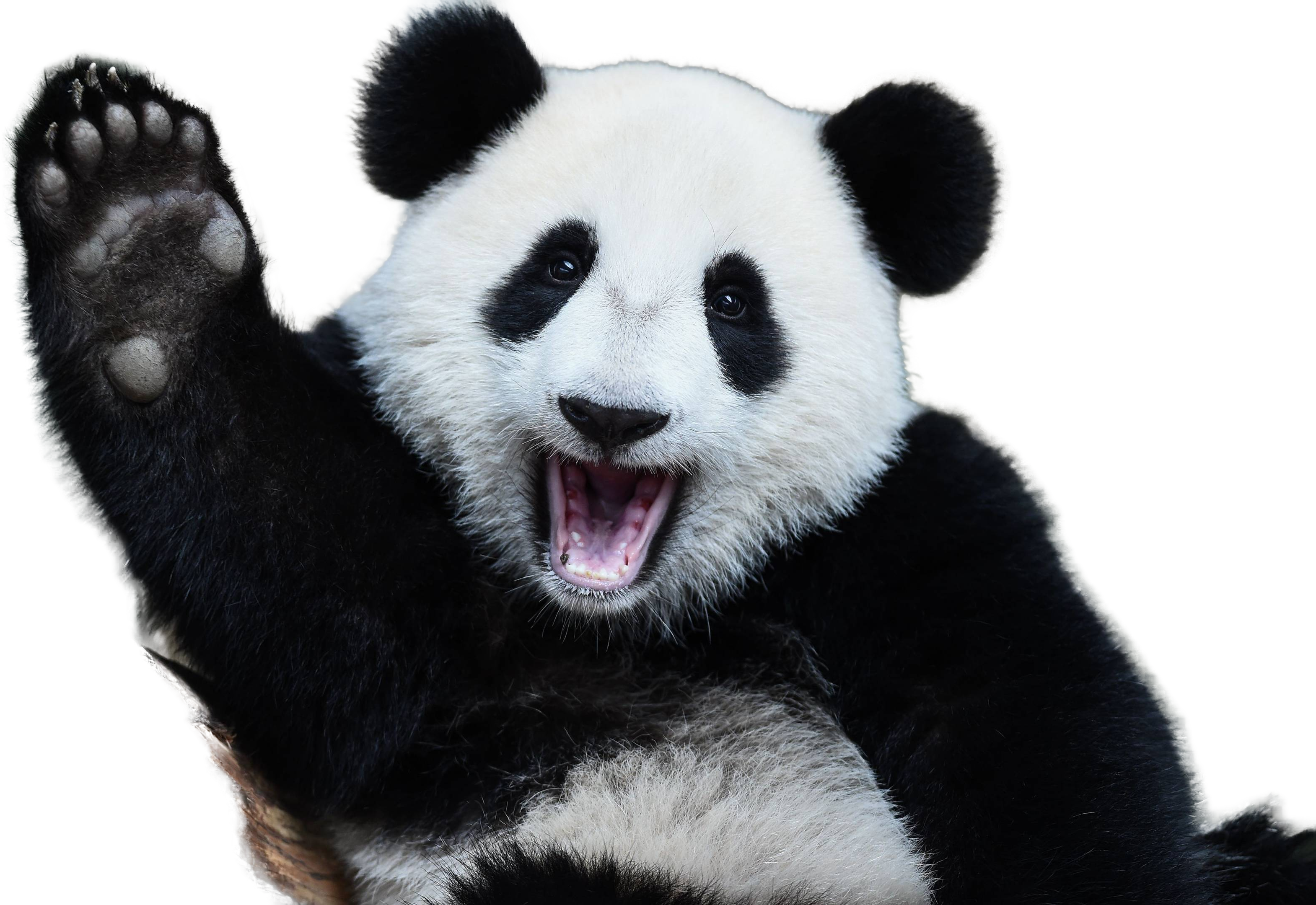
To create my mood board, I began by researching panda-related imagery from various sources, including online image libraries and art platforms. I initially gathered over 30 images to ensure a broad selection that covered both realistic and artistic representations of pandas. My main criteria for selection were the emotions or qualities conveyed in the images, such as playfulness, serenity, and cuteness, which are all key traits I associate with pandas. I also focused on a variety of styles—photographs, pixel art, illustrations, and graphic designs—so that I could capture different visual approaches to the subject. As I narrowed down the selection, I prioritized images that best represented the different facets of the panda, including their natural habitat, their playful behavior, and their cultural significance. The final 10 images reflect a balance between natural representations and stylized depictions, showcasing pandas in various poses, interactions, and art styles, which allows for a more dynamic and layered mood board.