Module 04 · Basics of Cosmetic Formulation
Cosmetics and Drugs化妆品与药品
Think about some common cosmetics you have at home right now. Would you say any of those are also drugs? Your lipstick is a cosmetic, right? But something like aspirin is not a cosmetic—it’s a drug. But what about sunscreen?
想想你家里现在有哪些常见的化妆品。你会说其中任何一种是药物吗?你的口红是化妆品,对吧?但像阿司匹林这样的东西不是化妆品——它是药物。那防晒霜呢?
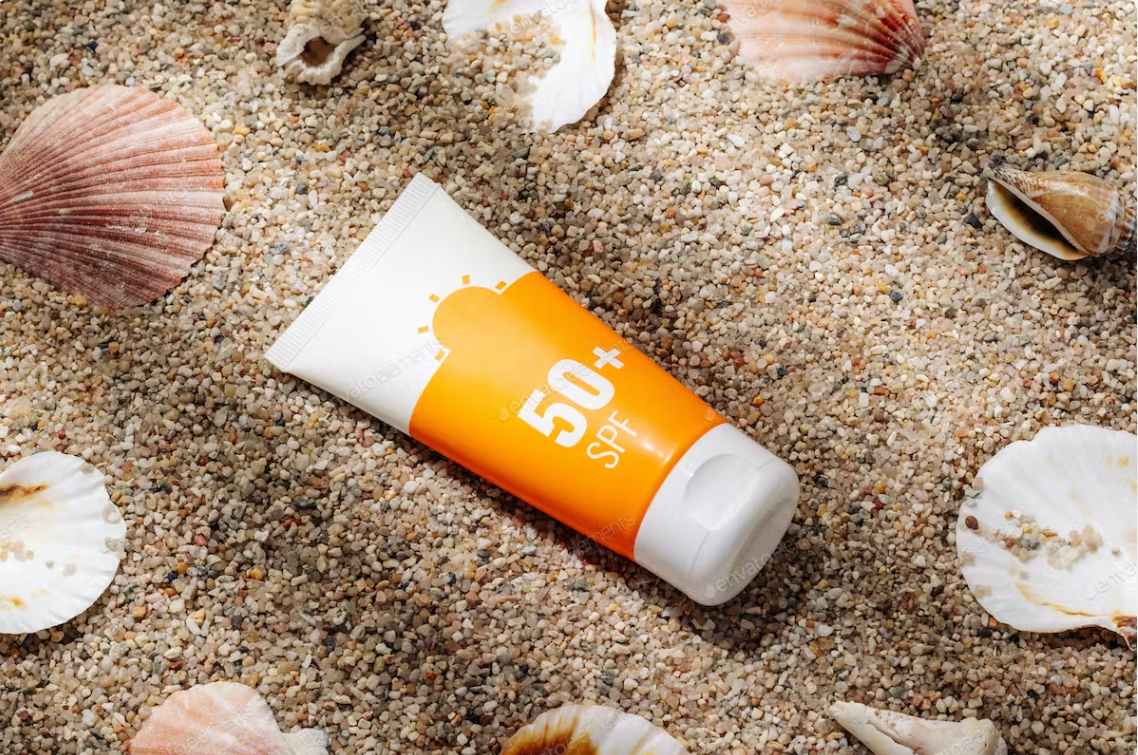
Cosmetics and drugs are typically two distinct categories of products. While we design cosmetics to enhance one’s appearance, cleanse, and provide a pleasant smell, drugs and over-the-counter (OTC) drugs are intended to treat, prevent, mitigate diseases, or affect the structure or function of the body. (U.S Food & Drug Administration, 2022).
化妆品和药物通常是两种截然不同的产品类别。虽然我们设计化妆品是为了增强人的外观、清洁并提供愉悦的香味,但药物和非处方药(OTC)旨在治疗、预防、减轻疾病或影响身体的结构或功能。(美国食品药品监督管理局,2022 年)。
Why We Have Regulation 为什么要有监管
Regulation ensures that the distinction between these two categories is clear to ensure consumers stay informed and safe. Understanding how we intend to use a product will determine whether it falls under the cosmetics or drugs category (Food & Drug Administration, 2022). This determination is often based on the claims and marketing associated with the product. And when a product claims cosmetic and drug properties, like a sunscreen that moisturizes the skin, it is subject to cosmetic and OTC sunscreen regulations.
监管确保这两类产品之间的区别清晰,以确保消费者保持知情和安全。我们打算如何使用一个产品将决定它属于化妆品还是药物类别(美国食品药品监督管理局,2022 年)。这种判断通常基于与产品相关的声明和营销。当一个产品声称具有化妆品和药物特性时,比如一种能保湿皮肤的防晒霜,它将受到化妆品和非处方防晒霜监管。
How the FDA Regulates FDA 如何监管
In many countries, including the United States, regulatory agencies like the Food and Drug Administration (FDA) closely monitor and regulate cosmetics and drugs to safeguard public health. The FDA maintains a list of products that are considered drugs due to their intended use, which includes items such as sunscreens, anti-dandruff products, anti-acne products, antiperspirants, and any other products that make claims related to treating a disease or affecting bodily functions (Food & Drug Administration, 2022).
在许多国家,包括美国,像食品药品监督管理局(FDA)这样的监管机构密切监控和规范化妆品和药品,以保护公众健康。FDA 维护了一份被认为属于药品的产品清单,这些产品的用途被认为具有治疗疾病或影响身体机能的声明,包括防晒霜、去屑产品、祛痘产品、止汗剂等(食品药品监督管理局,2022 年)。
How the FDA Regulates Formulas
FDA 如何监管配方
One of the important aspects of FDA regulation is the existence of monographs for these products (Food & Drug Administration, 2022). A monograph is like a recipe book specifically tailored for each product category. These monographs can provide detailed information about the permissible ingredients, their allowable concentrations, and the combinations considered safe and effective for a particular product type. For example, the sunscreen monograph outlines the specific sunscreen ingredients like titanium dioxide and zinc oxide, their maximum allowable concentrations, and the formulation types like lotions, creams, or sticks that protect against harmful UV radiation.
FDA 监管的一个重要方面是这些产品存在说明书(美国食品药品监督管理局,2022 年)。说明书就像是为每个产品类别量身定制的食谱书。这些说明书可以提供关于允许成分、允许浓度以及特定产品类型被认为安全有效的组合的详细信息。例如,防晒霜说明书概述了特定的防晒成分,如二氧化钛和氧化锌,它们的最大允许浓度,以及能防止有害紫外线辐射的配方类型,如乳液、霜剂或棒状。
Also, monographs dictate labeling and what kind of claims can be made about how effective the product is. For sunscreen, manufacturers can only make claims about the product’s ability to protect against sunburn and skin cancer, as these are the intended uses supported by scientific evidence. Any other claims beyond the scope of the monograph would require additional regulatory approval.
此外,说明书还规定了标签内容以及可以就产品效果做出何种声明。对于防晒霜,制造商只能就产品预防晒伤和皮肤癌的能力做出声明,因为这些是得到科学证据支持预期用途。超出说明书范围的任何其他声明都需要额外的监管批准。
SunGuard’s Claims Don’t Add Up
SunGuard 的声明站不住脚
Let’s imagine that SunGuard, a fictional sunscreen brand, faced FDA scrutiny over its broad-spectrum protection claim some time ago. The FDA, relying on the sunscreen monograph’s strict criteria, found the claim unsupported. The concentration of zinc oxide was far too low to provide sufficient sun protection. SunGuard had to reformulate its sunscreen to meet monograph standards or revise its marketing claims. But why was the FDA involved? Because sunscreen is classified as a drug in the U.S. and depending on claims, it meets the definitions of both a cosmetic and a drug.
让我们想象一下,一个虚构的防晒霜品牌 SunGuard 曾因其广谱防晒宣称受到 FDA 的审查。FDA 依据防晒霜说明书的严格标准,发现该宣称没有得到支持。氧化锌的浓度太低,无法提供足够的防晒保护。SunGuard 不得不重新配方其防晒霜以满足说明书标准,或修改其营销宣称。但为什么 FDA 会介入?因为防晒霜在美国被归类为药物,并且根据其宣称,它同时满足化妆品和药物的定义。
Regulation of Labels 标签监管
Regulations determine what kind of labeling we put on drugs and cosmetics. The FDA enforces specific rules governing how these products are labeled to ensure consumers receive clear and accurate information about their use and potential risks (Fourcroy, 2009). For instance, products categorized as drugs must prominently display warning statements on their labels, making it easier for consumers to understand potential side effects or how to use the product safely.
法规决定了我们如何对药品和化妆品进行标签管理。FDA 执行特定的规则来规范这些产品的标签,以确保消费者获得清晰准确的使用信息和潜在风险信息(Fourcroy,2009)。例如,被归类为药品的产品必须在标签上显著显示警告声明,使消费者更容易理解潜在的副作用或如何安全使用产品。
In the United States, sunscreens are classified as OTC drugs because their primary purpose is to prevent sunburn and reduce the risk of skin cancer. Manufacturers of sunscreens must adhere to the sunscreen monograph, using approved ingredients and making only specific claims related to sun protection. Additionally, they must provide clear and concise labeling, including instructions for use and any necessary warnings.
在美国,防晒霜被归类为非处方药,因为其主要目的是预防晒伤和降低皮肤癌的风险。防晒霜的生产商必须遵守防晒霜专论,使用批准的成分,并仅就防晒功能做出特定声明。此外,他们还必须提供清晰简洁的标签,包括使用说明和任何必要的警告。
Is Regulation the Same Everywhere?
监管制度是否相同?
The regulatory landscape can be different from one region to another. For instance, in the European Union (EU), sunscreens are treated as cosmetics rather than OTC drugs. Although there are rules for active ingredients and labeling in the EU, many more active ingredients are permitted, allowing for a greater variety of sunscreen products to meet consumer needs.
监管环境可能因地区而异。例如,在欧盟(EU)中,防晒霜被视为化妆品而非非处方药。尽管欧盟对活性成分和标签有规定,但允许使用更多活性成分,从而允许更多种类的防晒霜产品满足消费者需求。
Key Takeaways 主要收获
The classification of products as cosmetics or drugs is a critical aspect of regulatory oversight to ensure consumer safety and product efficacy. Understanding a product’s intended use, as determined by its claims and marketing, is vital in making this determination. Regulatory agencies like the FDA in the United States provide comprehensive guidelines, such as monographs and labeling requirements, to govern this.
将产品归类为化妆品或药品是监管机构确保消费者安全和产品功效的关键环节。理解产品的预期用途,即通过其声明和营销所确定,对于做出这一判断至关重要。美国食品药品监督管理局等监管机构提供了全面的指南,如说明书和标签要求,以规范这一过程。
References: 参考文献:
- Fourcroy, J. L. (2009). The regulatory interface: When is it a cosmetic and when a drug? Cosmetics & Toiletries. https://www.cosmeticsandtoiletries.com/regulations/claims-labeling/article/21833746/the-regulatory-interface-when-is-it-a-cosmetic-and-when-a-drug
Fourcroy, J. L. (2009). 监管界面:何时为化妆品,何时为药品?《化妆品与洗护产品》。https://www.cosmeticsandtoiletries.com/regulations/claims-labeling/article/21833746/the-regulatory-interface-when-is-it-a-cosmetic-and-when-a-drug - U.S. Food & Drug Administration. (2022). *Is it a cosmetic, a drug, or both? (Or is it soap?) *https://www.fda.gov/cosmetics/cosmetics-laws-regulations/it-cosmetic-drug-or-both-or-it-soap
美国食品药品监督管理局. (2022). 这是什么?化妆品、药品还是两者兼有?(或它是肥皂?)https://www.fda.gov/cosmetics/cosmetics-laws-regulations/it-cosmetic-drug-or-both-or-it-soap